Web design moves fast. What looked modern two years ago can look dated today — and a dated website is a conversion killer. Here are the design directions that are defining high-performing websites in 2026.
Dark Mode and Dual-Theme Designs
Dark mode has moved from a novelty to an expectation. More than half of users now prefer it, and operating systems default to respecting this preference. The best websites in 2026 are designed in both light and dark variants from the start — not retrofitted. This requires deliberate colour token systems rather than hard-coded hex values.
Bold, Variable Typography
Typography is doing more heavy lifting in 2026. Large, expressive headlines with tight tracking, mixed weights within a typeface, and purposeful contrast between heading and body fonts all characterise modern design. Variable fonts — which allow weight and width to be controlled with CSS — are enabling fluid, responsive type scales that adapt beautifully across screen sizes.
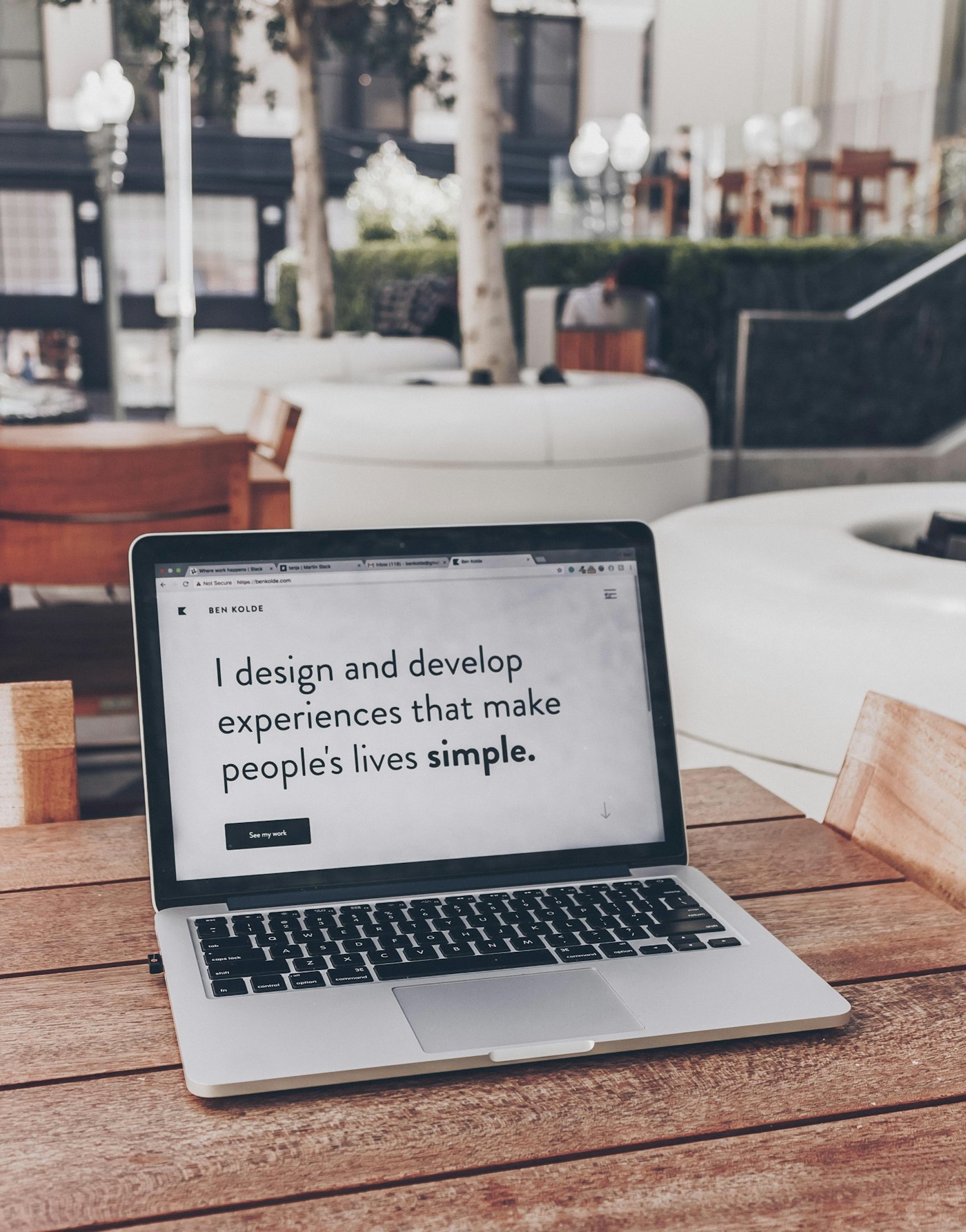
Design note: The most effective hero sections in 2026 use typography as the primary visual element — not hero images. A great headline with strong type treatment beats a generic stock photo every time.
Micro-Interactions and Motion
Subtle animations — a card that lifts on hover, a button that pulses on focus, a nav item that underlines as it transitions — make websites feel polished and alive without being distracting. The key is restraint: motion should reinforce meaning (this is clickable, this action succeeded) rather than exist purely for visual interest.
AI-Personalised Experiences
More sophisticated websites are beginning to serve different content based on visitor signals — location, referral source, previous visits, device type. This might mean showing a different hero headline to a visitor from a PPC ad versus an organic search, or surfacing the most relevant case study based on industry. This trend will accelerate significantly through 2026 and beyond.
Radical Minimalism
After years of feature-heavy, element-rich designs, many of the most effective websites in 2026 are stripping back to essentials. Generous white space, limited colour palettes, and ruthless prioritisation of content hierarchy. Less is genuinely more — and visitors convert better when they're not overwhelmed by competing elements.
Authentic Photography Over Stock
Visitors can spot stock photography instantly — and it undermines trust. Original photography of your real team, your actual workspace, and genuine customer interactions consistently outperforms stock imagery in A/B tests. For businesses that can't afford a professional photoshoot, well-composed smartphone photography with consistent editing beats generic stock every time.
What to Avoid in 2026
Some elements that were common are now clearly dated: full-width sliders/carousels (consistently poor conversion rates), generic "hero with stock photo" layouts, excessive animations that delay loading, chatbot pop-ups that appear immediately, and countdown timers on lead pages. If your site has these, they're likely costing you conversions.
Our website design service delivers modern, conversion-focused designs that reflect where the web is heading — not where it's been. Get a free consultation to discuss a redesign.